Wildlife · Casanare
Overland through Colombia: when the road is the destination
Eight pairs of eyes on the shore of a lagoon in Casanare, the Cocuy glacier on the far side of the savanna, and pink dolphins in the Meta River. The story of a journey that only exists if you make it by land.

In short: we travelled overland across Colombia from Bogotá to La Macarena, through the Pisba páramo, the Cocuy glacier, the Casanare plains and the Guape river canyon, over several days in a 4×4.
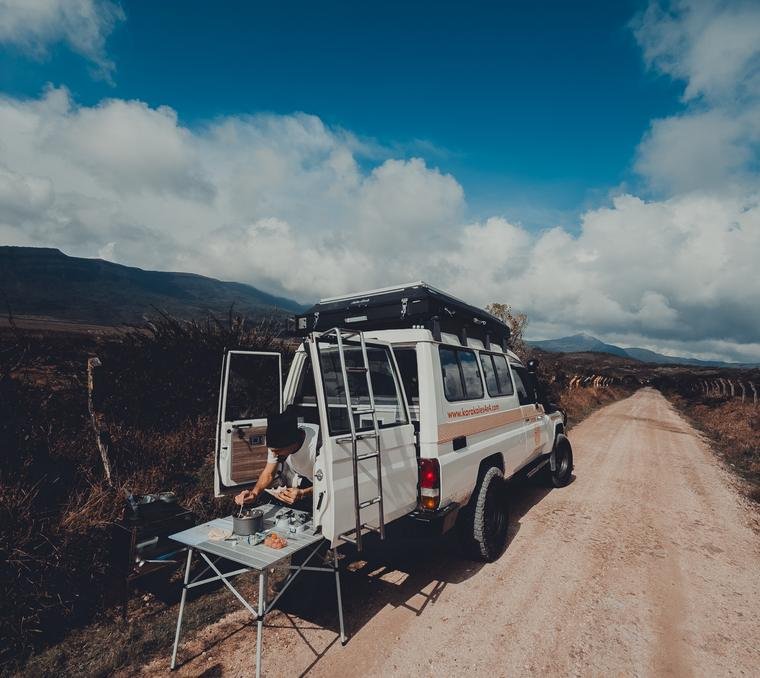
There is a precise moment when you understand, without needing words, why Colombia is a country best travelled slowly and by land. It happened to us at dusk, beside a lagoon in the Llanos of Casanare, as the sun began to hide behind the far shore and the sky turned orange, violet and red. The silence was broken only by the distant hum of insects and the occasional splash of water. Barely three metres away, eight pairs of eyes were watching us with the same curiosity with which we were watching them: they were cachirres, or babillas — as the caimans of the Llanos are known — lying calmly on the bank, sharing that natural watering hole with dozens of species that, in the dry season, depend on these mirrors of water to survive.
From the Pisba páramo to the Cocuy glacier
In that instant I thought about how lucky we are to live in a country like this. A country that doesn’t reveal itself from an aeroplane window, but from the road, from the dust, the cold of the páramo and the vibrant heat of the savanna. We had come from Bogotá, following a route that took us across the Pisba páramo, one of those places where time seems to stand still and the mist forces you to slow down. There, among silent frailejones and mountains draped in moss, much of the fresh water that sustains life in Colombia is born. These high-mountain ecosystems are estimated to produce about 70% of the water we consume, a fact that takes on a deep meaning when you cross them and see them up close.
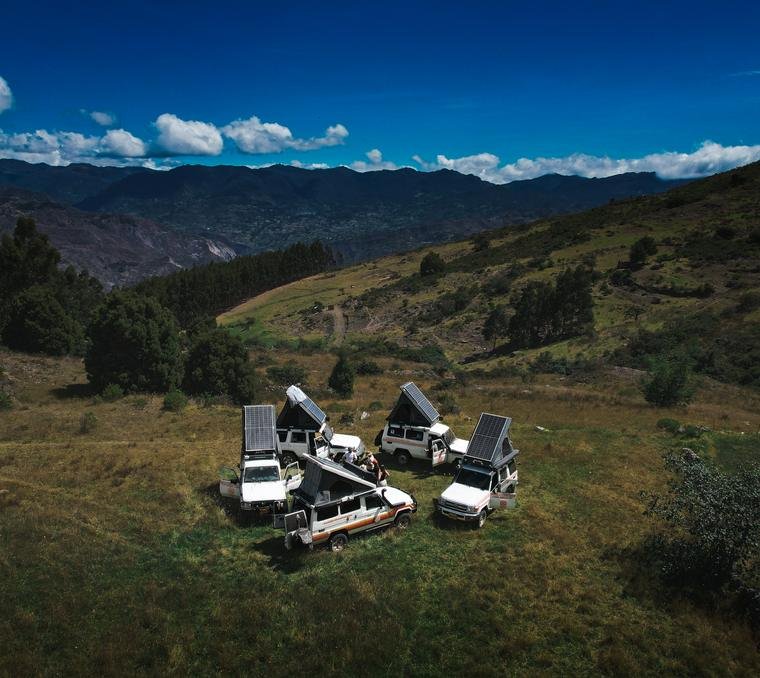
From Hato Corozal, already in northern Casanare, the view opens up almost abruptly. Before us, imposing, rose the Cocuy glacier, the largest in Colombia. From that distance it looked like a white wall guarding the source of countless rivers that wind across the endless plain. Seeing that contrast — the perpetual snow in the distance and the warm savanna stretching as far as the eye can see — is a lesson in geography and in emotion at the same time. Colombia is not a single landscape: it is the sum of them all, connected by roads that tell stories. We travelled right up to that same glacier on our expedition to El Cocuy.
It isn’t about getting there fast, but about being there. About understanding that travel is a form of learning and of respect.
Wildlife and legend in the heart of Casanare
Venturing into the heart of Casanare in summer means witnessing a natural spectacle rarely seen. Life gathers around the water. Deer, capybaras and birds of every size and colour come to the watering holes, while the great cats — pumas and jaguars — prowl silently, unseen but present. Travelling by land lets you stop, observe, listen.
The next day we continued towards Orocué, a town forever marked by literature. It was here that José Eustasio Rivera set a good part of La vorágine (The Vortex), the timeless novel that portrays the harshness and untamed beauty of these lands. Walking its streets, seeing the river and remembering his words is to understand that the relationship between Colombia and its territories has always been intense, at times painful, but deeply authentic. We decided to head out again at sunset. That was when the Meta River gave us another unforgettable scene: pink dolphins of the Orinoquía playing near the shore, while flocks of migratory birds gathered to spend the night. The sky was reflected in the water and everything seemed to move to the same unhurried rhythm as the river.
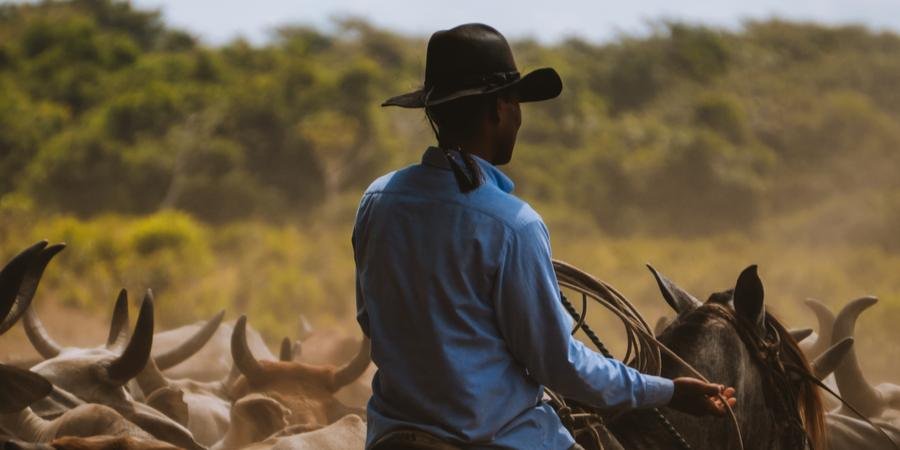
To continue on our way, we had to cross the Meta on a ferry. It is little more than a large flat barge driven by two outboard motors, enough to carry people, cargo and dreams from one bank to the other. That slow, unhurried crossing sums up what it means to travel overland in Colombia: accepting the pace of the road, trusting simple but functional infrastructure, and letting yourself be surprised.
La Macarena and the Guape river canyon
Further south, in the department of Meta, the landscape transforms again. The Orinoquía and the Amazon meet in an explosion of green, humidity and life. The Serranía de La Macarena appears like a mountain oasis in the middle of the plain. There lies one of the most impressive river journeys in the country: the Guape River canyon. To navigate it is to advance between rock walls that resemble waves covered in lush vegetation, with clear water flowing between gentle rapids and deep pools, interrupted by the cries of the oilbirds that live there. It is not a place you visit by chance; it is a destination you reach thanks to the decision to explore Colombia from the ground beneath your feet. It’s such a unique landscape that, every now and then, we also run it as a guided trip: that’s how our Guided Edition to La Macarena came to be.
Travelling overland in Colombia is more than getting from one place to another: it is a way of reconciling with the land, of understanding its diversity and of breaking down prejudice. It is discovering that safety is also built with knowledge, respect and presence. That there are difficult roads, yes, but also immense rewards for those who dare to travel them. In a country as complex and fascinating as ours, the true luxury is not speed, but the freedom to stop, look around and say, with certainty, that the journey was worth it.
If you want to live this on your own, this is how you rent a 4×4 with a rooftop tent: choose your vehicle from our fleet and build your own route in self-drive.