Wildlife · Chingaza
On the trail of the spectacled bear in Chingaza
Four friends, a Land Cruiser and South America's only bear. They didn't see it. They came back convinced that this counts too.
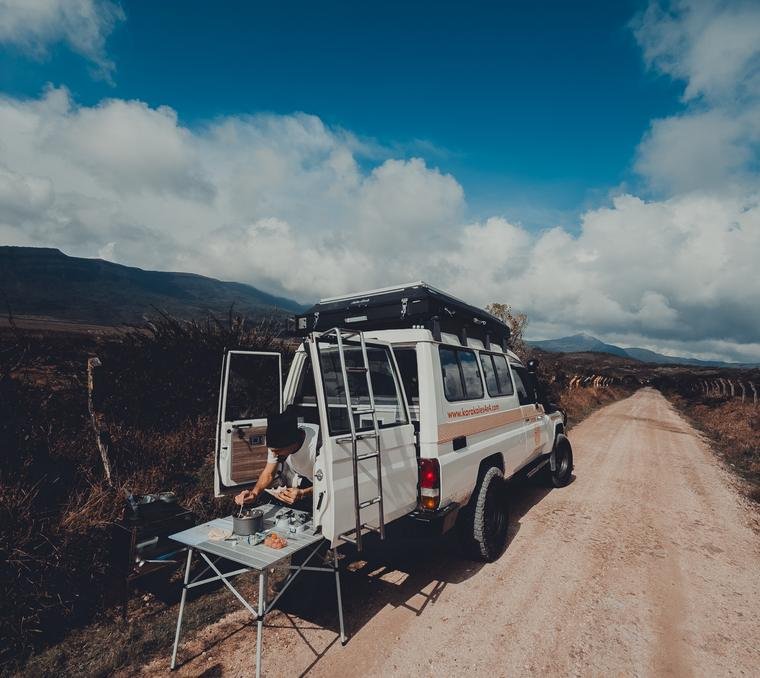
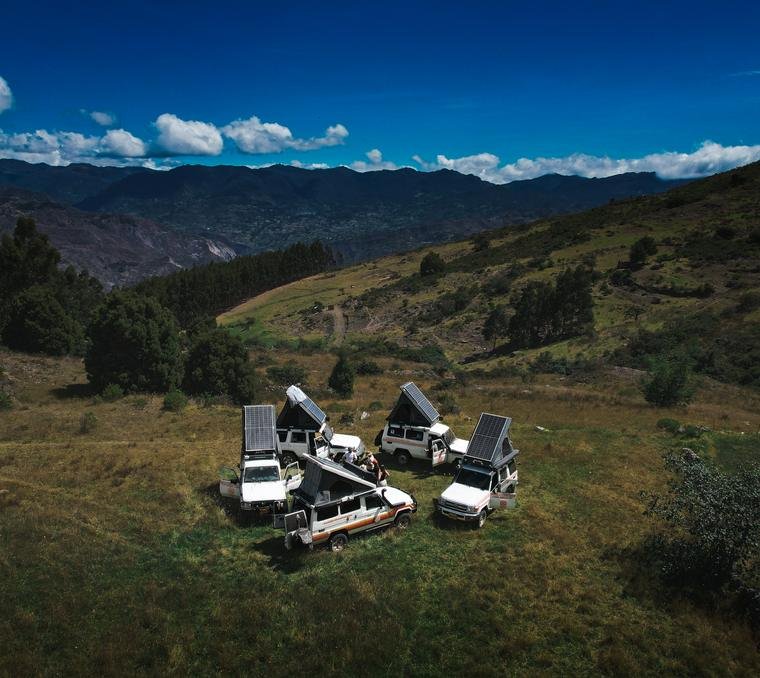
One weekend, four friends climbed into a Karakoles truck with a simple but powerful mission: to look for the spectacled bear in its own home, up there among the mist, the frailejones and the silence, in Chingaza. There was no promise of seeing it — wildlife never comes with guarantees — but there was one certainty: every kilometre travelled and every step in the páramo was a way of saying “this place and this bear matter to us.”
They walked with their eyes open, reading the landscape: a marked frailejón, a tree used as a feeding spot, a track almost erased by the rain.
Sometimes, sharing territory with the bear doesn’t mean seeing it; it means knowing it’s there, that it’s still alive, moving through the same mountains that also give us water.
Our only bear, many reasons to feel proud
Colombia has a single species of bear: the spectacled bear, the Andean bear. It is the only bear in all of South America and lives in cloud forests and páramos, roaming the Andes like a true guardian of the mountains. It is not a fierce predator like the bears of other regions; it feeds mainly on fruit, leaves and bromeliads, and in doing so it disperses seeds and helps the forest regenerate — which is why many call it the gardener of the Andes.
It is also an umbrella species: by protecting it, we are protecting thousands of hectares of páramo and high-Andean forest, along with the water sources that supply cities like Bogotá. That is why we are so proud of our only bear: because when Colombia looks after it, we are also looking after our mountains, our rivers and our future.
With Karakoles we don’t go out to “hunt” animals; we go out to learn to read the landscape: tracks in the mud, plants that have been eaten, marked trees. More than seeing the bear, it is about understanding its home and respecting its space.
If you want to experience this, this is how you rent a 4×4 with a rooftop tent to go at your own pace: check out self-drive. And if you liked this story, in our journey through the Casanare plains we tell another encounter with wildlife you won’t see from the road.
Thanks to Sebastián di Domenico and Antonio Galvis for being part of this adventure and helping us tell it.